
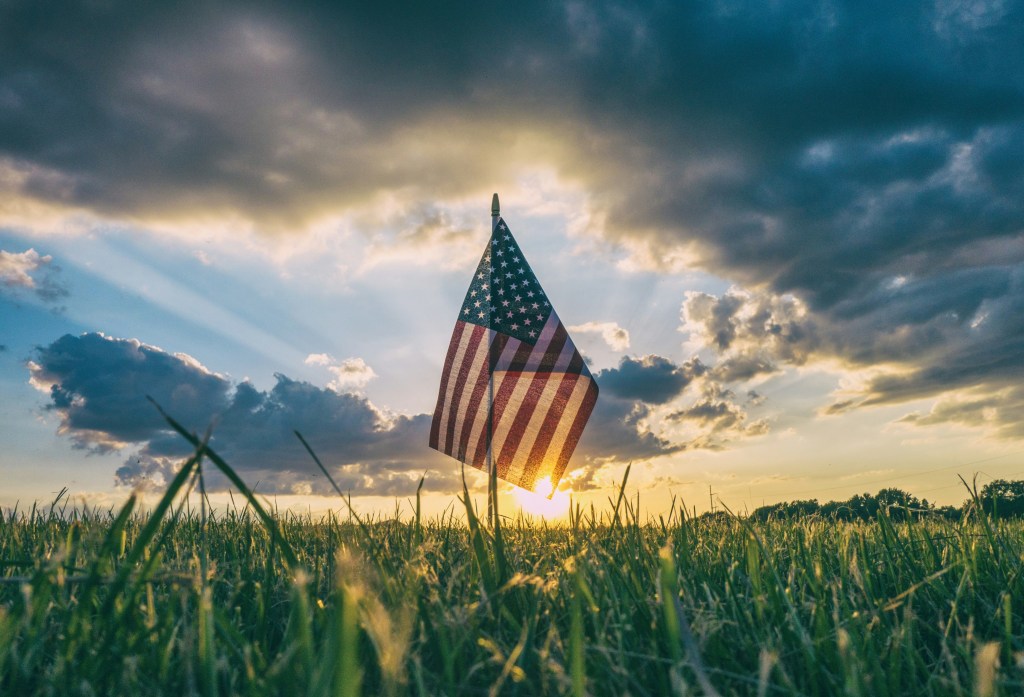
Understanding Memorial Day: Honoring Our Fallen Heroes
As the last Monday of May approaches each year, Americans across the nation prepare to observe one of our most meaningful holidays. Memorial Day represents far more than just a long weekend or the unofficial start of summer—it’s a sacred time dedicated to honoring the brave men and women who made the ultimate sacrifice while serving in our nation’s military.
The Origins of Memorial Day
Memorial Day has deep historical roots that trace back to the aftermath of the Civil War. Originally called Decoration Day, this solemn observance began as a way to honor the Union soldiers who had fallen during that devastating conflict. Communities would gather to decorate the graves of these fallen heroes with flowers and wreaths, ensuring their sacrifice would not be forgotten.
Over the decades, the holiday evolved to encompass all American military personnel who died in service to their country, regardless of which conflict claimed their lives. From the battlefields of World War I and II to the jungles of Vietnam, from the deserts of Iraq to the mountains of Afghanistan, Memorial Day honors every service member who gave their life for our freedom.
How Americans Observe Memorial Day
Today, Memorial Day traditions blend solemn remembrance with community celebration, creating a uniquely American way of honoring our fallen while embracing the freedoms they died to protect.
Remembrance and Tribute
The most traditional Memorial Day observances center on remembrance. Families across the country make pilgrimages to cemeteries where their loved ones rest, bringing fresh flowers, small American flags, and personal mementos. National cemeteries like Arlington hold particularly moving ceremonies, with thousands of visitors paying their respects among the perfectly aligned white headstones.
Communities organize parades that march through town centers and main streets, featuring local veterans, active military units, high school marching bands, and civic organizations. These processions often pause for moments of silence and include ceremonial flag presentations that remind spectators of the holiday’s deeper meaning.
Flag Traditions
The American flag plays a central role in Memorial Day observances. According to tradition, flags should be displayed at half-staff from sunrise until noon, then raised to full height for the remainder of the day. This practice symbolizes first mourning our fallen heroes, then celebrating the nation they died to preserve. Many Americans also participate in placing small flags on veterans’ graves, creating moving displays of red, white, and blue across cemetery grounds.
Community and Family Gatherings
While remembrance remains at the heart of Memorial Day, the three-day weekend has also become synonymous with family gatherings and outdoor celebrations. Backyard barbecues, picnics in local parks, and family reunions mark the beginning of summer vacation season. These celebrations don’t diminish the holiday’s significance—rather, they represent the very freedoms that our service members fought to protect.
Cultural Traditions
Certain events have become Memorial Day staples. The Indianapolis 500, often called “The Greatest Spectacle in Racing,” traditionally takes place on Memorial Day weekend, drawing hundreds of thousands of spectators. Many beaches, pools, and summer recreational facilities officially open for the season, welcoming families eager to enjoy the warmer weather.
Local communities often organize their own sporting events, concerts, and festivals, creating opportunities for neighbors to come together and celebrate their shared heritage and values.
Balancing Celebration and Remembrance
As Memorial Day has evolved, it’s important to remember that the recreational aspects of the holiday exist alongside, not instead of, its commemorative purpose. The freedom to gather with family, enjoy outdoor activities, and celebrate community represents exactly what our fallen service members fought to preserve.
The challenge lies in maintaining the balance between honoring our heroes and embracing the liberties they secured for us. Taking a moment during Memorial Day festivities to reflect on the sacrifice behind our freedoms helps ensure that the holiday’s true meaning endures.
Keeping the Memory Alive
Memorial Day serves as an annual reminder that the freedoms we enjoy came at a tremendous cost. Each year, as we gather with loved ones, fire up the grill, or head to the beach, we have the opportunity to remember those who made it all possible.
Whether through visiting a military cemetery, participating in a local parade, sharing stories of family members who served, or simply observing a moment of silence, we can all find meaningful ways to honor our fallen heroes while celebrating the nation they died to protect.
This Memorial Day, as you enjoy time with family and friends, take a moment to remember the true meaning behind the holiday. Our freedom isn’t free—it was purchased with the lives of brave Americans who believed in something greater than themselves. They deserve our remembrance, our gratitude, and our commitment to preserving the values they died defending.

With over 14 years of experience in the industry across several disciplines, Nadia uses her knowledge to Make Real Estate Simple.
Ready to take the next step? Reach out to schedule a free consultation.
 daadarealestate.com
Leave a comment